Showing posts with label OSHA requirement. Show all posts

Thursday, January 15, 2026

Quick Guide: What to do after an incident


We spend a lot of time in the safety world finding ways to prevent incidents. We try to anticipate them, categorize them in degrees of potential severity, and control for them. Focus on prevention is very important, but it means that training on what to do immediately after an incident can sometimes be missed. While those first few steps might seem common sense, it can seem less that way when you're actually facing a situation. There may be a lot of moving pieces, adrenaline, and concern for someone who may be injured. Let's break this all down in order of what you should do and when.

1.  Deal with any immediate hazards - making sure that whatever caused the incident is not going to immediately be a hazard for anyone else. This means taking quick steps to rectify the situation, including evacuating an area if that makes sense and securing it so no one else enters.

2. Administer first aid. If you're dealing with an injury, follow first aid protocol. OSHA states that you must have a first aid plan in place. If you're extremely close to a healthcare facility, that could maybe mean relying on their support, but for most employers that will mean making sure enough employees have first aid training to cover any emergencies.

3. Involve more healthcare professionals as necessary. Does the person require a 911 call and ambulance transportation? Again, it's important to rely on your employees' first aid training, which will include how to assess a situation like this. Also, if you already have a relationship with an occupational health provider, they may offer more resources to assist.

 4. Once these steps are taken, make sure to document the scene as soon and thoroughly as possible. Pictures, videos, and interviews of those who witnessed the event are all important. Documentation is described more deeply in TT&S' Incident Investigations training, so feel free to reach out if you would like more resources. Make sure the scene is preserved as well in case a more thorough investigation is required.

 5. Determine whether you will need to report the incident to authorities, such as OSHA or the EPA, as well as your worker's compensation insurance.

6. If a major incident has occurred, consider retaining legal counsel. This is a step that not only protects the company, but also any involved individuals.

-------- The following steps are not immediate and are longer-term 

7. If you will be supporting an individual coming back to work after an injury, work closely with the individual and your worker's compensation insurer, who may provide a case manager. Consider ways to accommodate their recovery beyond what is required by their healthcare team.

8. If you are able to continue on with a simple internal investigation (for less severe incidents), use the documentation gathered after the incident to conduct an investigation. Your goal is to uncover the root cause(s) of the incident, and to do so in a way where no employees feel they are being blamed for the incident.

9. Have a plan for whatever action items come up as a result of the investigation. Make sure someone is tracking whether these action items are completed, and that they are all assigned to a specific person or team.

10. Consider the best way to communicate with the rest of the company about the incident. You can craft an overarching plan for how incidents will be communicated to employees, or looser guidelines that allow some case-by-case flexibility. Consider issues like respecting involved employees' privacy, how to not point fingers after an incident, and ways to communicate what changes are taking place to prevent a repeat incident.

There's a lot of other considerations embedded in these steps, but these are a great start. Consider holding a team training for managers or even an all hands training so expectations are clear on what to do after an incident. We hope it never comes in handy, but we can hope you will be prepared if it does. 

Thursday, May 22, 2025

Air Monitors 101

If your work involves entering confined spaces, you hopefully already know a thing or two about air monitors. Here's a great resource from EHS Today that goes over common troubleshooting procedures for air monitors. We recommend also taking the time to look through the owner's manual so you understand the basics of their operation. 

If your job has issued you an air monitor, that means it's absolutely essential to confirm it is operational and working properly before entering a confined space. If you're having issues with your air monitors, also feel free to contact TT&S for assistance. We're here to help!

Tuesday, January 28, 2025

OSHA Fine Increase for 2025


It's a brand new year, and everyone knows what that means: adjustments to OSHA fines based on inflation!

Here at TT&S, we sincerely hope that isn't the first thing you think about with the new year, but it's important to remember that those fines can be a steep judgment placed on your company's safety program.

The newest adjustments include a maximum of $16,550 for serious or other-than-serious violations, and $165,514 for willful or repeated violations. Remember, that is a fine per EACH violation, not a cumulative total per OSHA visit.

What a fine ultimately will be is a complex question that includes a large set of criteria. OSHA has an equation that takes into account the gravity of the violation, the size of the employer's business, the good faith efforts of the employer, and the employer's history of previous violations.

Once the penalty has been exacted, an employer has a few different options to respond to and potentially negotiate. But the truth still stands: OSHA penalties are there to enforce health and safety regulations, so keep your safety program sharp!

Thursday, January 2, 2025

PPE Fit for Employees - Now a Requirement


A new PPE requirement for construction will be going into effect mid-January 2025. While providing PPE to employees has already been the responsibility of the employer, the new requirement mandates that employers must also ensure construction PPE fits properly.

The final rule (available here: https://www.federalregister.gov/documents/2024/12/12/2024-29220/personal-protective-equipment-in-construction) summarizes some of the hazards that can come from PPE not fitting properly:

"In some cases, ill-fitting PPE may not protect an employee at all, and in other cases it may present additional hazards to that employee and to employees who work around them. For example:

  • Sleeves of protective clothing that are too long or gloves that do not fit properly may make it difficult to use tools or operate equipment, putting the wearer and other workers at risk of exposure to hazards, or may get caught in machinery, resulting in injuries to the wearer such as fractures or amputations. 
  • The legs of protective garments that are too long could cause tripping hazards for the worker with the improperly fitting PPE and could also impact others working near that worker. 
  • Protective clothing that is too small may increase a worker's exposure to hazards by, for example, providing insufficient coverage from dangerous machinery or hazardous substances. 
  • The issue of improperly fitting PPE is particularly important for smaller construction workers, including some women, who may not be able to use currently existing standard-size PPE. 
  • Fit problems can also affect larger workers, and standard-size PPE does not always accommodate varying body shapes."

It's been a long road to recognizing the issues with one-size-fits-all PPE. With the change, it would be a good idea for companies to inventory their current PPE over the off season and stock up on different sizes as needed prior to the beginning of construction season in spring 2025.

Monday, October 28, 2024

Fuel Storage Safety


Whether it’s for powering trucks, generators, or landscaping equipment, keeping a supply of gasoline or diesel on hand ensures smooth operations for many businesses. However, improperly stored fuel can mean serious safety risks, including fires, explosions, and environmental hazards. This guide will help you safely store small quantities of fuel to protect your employees, property, and the environment.


1. Choose the Right Containers

Using the correct container is the first step toward safe fuel storage. Many store fuel in the red plastic gas containers that you see everywhere, but not everyone knows those are not okay for businesses to use. 
 
At the very least, make sure the gas cans you're using are FM approved and/or UL listed. And if there's any chance of the container being transported in a company vehicle or being used in the field with construction, then DOT-approved cans are a must. 
 
Remember:

      •     Use certified safety cans that are FM approved and / or UL listed. The vast majority of these containers will be metal.
      •     Clearly label containers with the type of fuel inside (e.g., “Gasoline” or “Diesel”).
      •     Never store fuel in non-approved containers like plastic bottles or buckets.

2. Store Fuel in Well-Ventilated Areas

Gasoline and diesel give off vapors that are highly flammable and can accumulate if stored in confined spaces. Always store fuel in a well-ventilated area away from enclosed spaces, where vapors could ignite.

Best practices:

      •     Keep fuel containers outside, in a dedicated, well-ventilated shed, or in a flammable cabinet.
      •     Avoid storing fuel in basements, garages attached to living spaces, or other confined areas.
      •     Ensure there’s proper ventilation and airflow wherever fuel is stored.

3. Keep Fuel Away from Ignition Sources

Fuel vapors can ignite when exposed to sparks, flames, or heat sources. It’s crucial to store fuel away from anything that could cause ignition, including electrical equipment, heaters, or smoking areas.

Safety tips:

      •     Maintain at least 50 feet of distance between fuel storage and any ignition sources.
      •     Post signs indicating “No Smoking” near fuel storage areas.
      •     Store fuel away from direct sunlight to prevent pressure buildup in containers.

4. Limit Quantities Stored On-Site

It's best practice to only store the amount of fuel you need for short-term use to reduce potential risks. Storing large quantities of fuel increases the chance of accidents and makes them more severe.

Guidelines:

      •     Avoid stockpiling large quantities of fuel. Store enough for a few days or weeks based on operational needs.
      •     Regularly inspect and rotate fuel supplies to avoid keeping old, potentially unstable fuel on-site.

5. Follow Proper Fuel Handling Procedures

Handling fuel safely is just as important as storing it correctly. Ensure that all employees are trained in proper handling techniques to minimize the risk of spills, fires, and injuries.

Fuel handling dos and don’ts:

      •     Always handle fuel in a well-ventilated area and avoid skin contact.
      •     Wear protective gloves and avoid inhaling fuel vapors.
      •     Clean up spills immediately and dispose of contaminated materials properly.

6. Fire Safety Precautions

Even with all precautions in place, accidents can happen. Having fire safety equipment readily available and knowing how to respond to fuel-related emergencies is essential.

Recommendations:

      •     Install fire extinguishers rated for Class B (flammable liquids) fires near fuel storage areas.
      •     Train employees on how to use fire extinguishers and what to do in case of a fuel fire.
      •     Create an emergency response plan for fuel spills, fires, or leaks.

Fuel storage safety is a critical aspect of maintaining a safe work environment. By using the right containers, storing fuel in appropriate locations, and following best practices for handling and fire safety, you can significantly reduce the risks associated with fuel storage. Regular training and inspections will ensure your employees are always prepared to handle fuel safely.

Wednesday, October 16, 2024

Flammable Cabinet Basics


Flammable cabinets are everywhere, and that's a good thing. But everyone might be a little fuzzy on what should get stored inside them. We're here to give you the basics.

1.  Only flammable liquids should be stored inside flammable cabinets.

Sometimes, the cabinets can become a catch-all for all hazardous materials on a site, including any acids, corrosives, or other hazardous substances. However, these should not be stored together with the flammable liquids. A separate cabinet with the appropriate construction and color should be provided for these materials.

2. There are limits to the amounts of each material allowed in a cabinet. 

OSHA sets the limits as follows: "Not more than 60 gallons of Category 1, 2, or 3 flammable liquids, nor more than 120 gallons of Category 4 flammable liquids may be stored in a storage cabinet."

3. Not all flammable cabinets are created equal.

OSHA says the cabinet "shall be designed and constructed to limit the internal temperature to not more than 325 °F. when subjected to a 10-minute fire test." Look for a cabinet that is certified by an independent third party such as Underwriters Laboratory (UL) or Factory Mutual Global (FM), as well as one meets for OSHA and NFPA 30 requirements.

 4. You should avoid storing items on top of flammable cabinets.

They might be a convenient place to set items down, but doing so can pose a risk, especially storing easily combustible items such as paper or cardboard.

There you have it! You never knew you needed a blog post about a cabinet before, but things were not quite as simple as they might seem when it comes to flammable cabinets. Be sure to contact TT&S with any further questions on proper flammable cabinet use.


Wednesday, October 2, 2024

Little-Known Facts for HazCom Managers


OSHA's hazard communications (HazCom) standard is intimidating, and it changes a lot. Due to efforts to align with international regulations, OSHA makes incremental changes to the standard that can make it hard to keep up with. There are also different aspects of the standard that apply to chemical manufacturers, importers, and employers, so it can be hard to know what might apply to you.

You may also think that if you're job title isn't "hazcom manager," then you're off the hook, but if you:

  • Manage or update your company's SDS's, 
  • Are in charge of purchasing, 
  • Or work with chemicals in your workplace,

then you might just learn something important today. Here's a few aspects of HazCom that are maybe not talked about as much and you should be aware of.

1. SDS's should be kept for 30 years after the chemical or material is no longer in use. (See this OSHA letter of interpretation.)

This one can be a shocker to many, but because SDS's can be used as exposure records as well as an inventory of current materials in use, it's not the best idea to get rid of SDS's as soon as you stop using a product. As it turns out, they are a very effective way to record the hazards an employee was exposed to. 

There is technically an alternative to storing SDS's for that long, but it might be taking the hard way out: "Employers may discard [material] safety data sheets if some record identifying the substances used, where it was used and when it was used is retained for at least 30 years." In the long run, it's probably simpler to just keep the old SDS around.


2. There's a consumer use exception for SDS's, but it's not as useful as you may think.  

Do you need an SDS sheet for every single product in the workplace? Technically no. "OSHA does not require that [M]SDS be provided to purchasers of household consumer products when the products are used in the workplace in the same manner that a consumer would use them, i.e.; where the duration and frequency of use (and therefore exposure) is not greater than what the typical consumer would experience." Great! Get rid of that Windex SDS, stat! 

Except, of course, it's not usually that simple. Is the employee who generally uses Windex using it for the same duration and frequency as a general consumer? Or are they in a facilities maintenance position where they may be using it for many hours a week, much more than a general consumer? If so, an SDS must be kept on file.

The same goes for any product on site. If motor oil is on site, frequency and duration of the product must be considered. Is any one employee exposed more than a general consumer would be? If there's any room for doubt, it's SDS time.

However, that does leave employers off the hook for products that employees may bring into the workplace, such as lotion or hand sanitizer to keep by a desk, or products that genuinely are used in the same manner as a general consumer.

3. All it takes is one unlabelled container. HazCom is almost always one of the top cited OSHA standards, and it's a really easy one to violate. What does it take? One spray bottle without a label can land you a citation. Remember to label your containers, and while you're at it, you want to make sure it's a compliant label too. See example of all required label elements for hazardous chemicals below.

Are there exceptions? Sure, if you transfer a chemical to a portable container for immediate use, you don't need a label. But it might not be a great idea to make a habit of it.

Remember, all of these products may not be as mild or effect-free as you may think. The HazCom standard exists for a reason.... to keep you safe from what might be sneaky effects in the products that you use every day.

Tuesday, September 17, 2024

Hard Hat Best Practices


While everyone knows what a hard hat is, and it seems pretty self-explanatory, there's a lot more beneath the surface you should know about selecting the right hard hat, how to keep them maintained properly, and when they should be replaced. Read on to learn more.

  • If the manufacturer has a set expiration date, that's the date you must take the hard hat out of service.
  • If there's no recommended expiration set by the manufacturer, a common timeframe is five years, although this is not a set-in-stone OSHA requirement.
  • The recommended hard hat replacement schedule is two years if the hard hat is regularly subjected to harsh environments like sun exposure or extreme temperatures. Storing them in a temperature-controlled environment can help on this one.
  • An easy test for hard hat condition is to use both hands to squeeze the hard hat’s shell inward. If you hear cracking or the hard hat ‘gives,’ then replace it.
  • Sometimes the suspension system inside the hard hat has a different replacement schedule than the shell. Many manufacturers recommend replacing this on a yearly basis.
  • This one is not always popular, but it’s best practice not to put stickers or paint on hard hats. The main gist is that it could affect the electrical protection or hide any damage or defects on the hard hat. (https://www.osha.gov/laws-regs/standardinterpretations/2009-10-27)
  • Always make sure you’re using the correct hard hat for the job – there are different classes for electrical hazards and direction of hazards (above vs. above and from the side). See charts below.


(This image is from PowerPak.net: https://www.powerpak.net/blog/everything-you-need-to-know-about-hard-hats/)

Still not sure which hard hat is the correct type for you? Go ahead and follow this link to take a quiz: https://take.quiz-maker.com/QW2Y90M9K

If you're familiar with the TT&S safety manual, we recommend a Class E hard hat in general.

Thursday, August 22, 2024

Construction Focus Four: Fall Hazards

 
We're going to end our blog series on OSHA's "Fatal Four" hazards with a discussion on fall hazards, the last hazard in our series.
 
In the rural broadband industry, it's not uncommon for employees to find themselves working at significant heights, whether on ladders, bucket trucks, or communication towers. This high-altitude work comes with inherent risks, with falls being one of the leading causes of injury and fatality.

For rural telecom workers, the risks can be even more pronounced due to the unique challenges they face—isolated locations, unpredictable weather, and limited access to immediate emergency response. This makes prioritizing fall protection not just a regulatory requirement but an essential aspect of worker safety and productivity.

Understanding the Hazards

      1. Ladders, bucket trucks, scissor lifts
Working on any of these presents a significant fall hazard, especially in remote areas where terrain can be uneven or weather conditions hazardous. Ice, wind, or even loose soil can make footing uncertain, making the need for stable and reliable fall protection systems critical.
 
      2. Rooftop Work
While many urban telecom workers may rely on roof safety systems that are already in place, rural workers often deal with rooftops that lack such precautions. When installing or repairing rooftop equipment, there may be no guardrails or designated fall protection systems, increasing the need for personal protective equipment (PPE) and careful planning.
 
            3. Communication Towers
Rural telecom workers sometimes climb communication towers to install or maintain antennas and equipment. These towers often extend hundreds of feet in the air, and falls from such heights can be devastating. Without proper fall protection systems in place—like harnesses, lanyards, and anchor points—the risk of serious injury or death increases exponentially.
 

Key Fall Protection Solutions

To mitigate these risks, rural telecom companies should implement a comprehensive fall protection strategy that includes:

      • Personal Fall Arrest Systems (PFAS): Every worker climbing a tower or working at heights should be equipped with a PFAS, which typically includes a harness, lanyard, and an anchorage point that meets OSHA standards.
      • Guardrails and Barriers: Where possible, use physical barriers such as guardrails to prevent workers from reaching the edge of a rooftop or elevated platform.
      • Ladder Safety Devices: Fixed ladders on communication towers and poles should be equipped with safety devices, such as climbing ladder sleeves or safety cages, to prevent falls. However, if using such devices, it is absolutely essential that employers confirm safety devices are in working order with documented inspection and maintenance practices.
      • Training and Competency: Workers must be trained not only in how to properly use fall protection equipment but also in hazard identification. Routine training and refresher courses are essential to ensure workers remain competent in fall protection techniques.
      • Emergency Response Planning: In remote areas, timely emergency response is not always available. It’s crucial to have a well-established rescue plan in place, including ensuring that workers have communication devices on hand and that nearby hospitals or emergency responders are aware of the site and can provide timely assistance if needed.

Adapting to Rural Challenges

Rural environments introduce additional variables that telecom workers must consider when implementing fall protection measures. For instance, wind speed at higher altitudes on towers can make climbing more hazardous. Uneven terrain can destabilize ladders or platforms, while extreme weather conditions—common in rural areas—can further complicate safe work practices.

Rural telecom companies need to ensure that their fall protection systems are adaptable to these conditions. Regular inspections of both equipment and job sites are critical in ensuring that everything is in working order and that workers are always operating under the safest possible conditions.

By ensuring that proper fall protection systems are in place, companies can significantly reduce the risk of falls and help ensure that every worker returns home safely at the end of the day.


Tuesday, April 9, 2024

Is your vest up to snuff: High Visibility Clothing Requirements

The MUTCD (Manual on Uniform Traffic Control Devices for Streets and Highways) was updated in late 2023, so it's a good time to review the parts that affect the broadband industry the most directly. One of those is what high visibility apparel is appropriate to wear. 

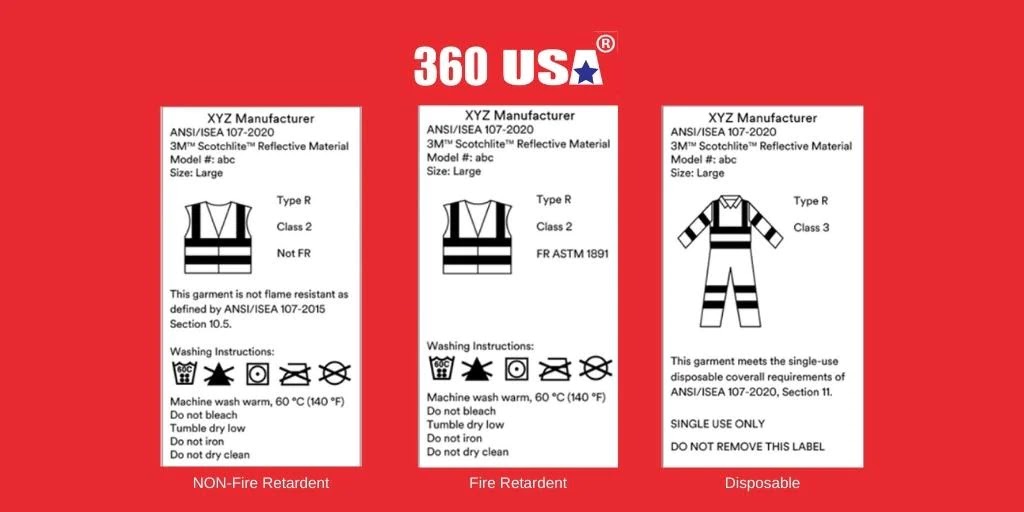
Make sure employees are wearing a vest that meets Performance Class 2 or 3 of ANSI/ISEA 107-2015. The easiest way to tell is to check the tag on the vest. Check out this example of an ANSI compliant tag (this is the source, great for more background reading on the subject).


If the tag says ANSI-ISEA 107-2015, you're good to go. If it says 107-2020, that's OK too. However, if it says 107-2010, that means the vest has done its time and now needs to be updated.  The vest must be worn whenever a worker is within a "temporary traffic control" (TTC) zone, which includes time when a vehicle is parked along the side of a road or within a construction zone.

The changes to the high vis apparel might seem subtle, but the research that goes into development is substantial and backed by science. And you just might save an employee's life by making the switch.

Monday, April 1, 2024

Why we do what we do: Shirtwaist Factory Fire


Sometimes it feels like safety is a fussy business.  

Who cares if there's storage in front of the electrical panel? 

What does if matter if there's a box in front of the exit door?

Why do we have to check these exit lights every month?

When we have a dozen other priorities throughout the day and someone piles on a couple more things like this onto your to-do list, it can make you feel pretty resistant.

But there's a quote that gets thrown around every once in a while that really grabs your attention, no matter how you might feel about safety inspections or OSHA:

OSHA rules are written in blood.

With the Baltimore bridge collapse in the news, it's a good time to reflect on why we have these rules in place.

We've also just passed the anniversary of an infamous disaster, the Triangle Shirtwaist Factory fire, which took place in New York City on March 25th, 1911. Because the exits were locked to prevent workers from taking too many breaks, 146 employees lost their lives to a fire that started in the factory.

Sometimes it takes loss like this to lead to change in regulations that save lives down the line.

Many of these rules that seem cumbersome or frustrating are in place because someone lost their life or were seriously injured before the rule was put in place.

If you want to learn more, here's an almost four minute video about how the NFPA's Life Safety Code can be directly traced back to the Triangle Shirtwaist Fire.

Just remember... rules that might seem annoying now can save lives later.


Wednesday, March 6, 2024

'Tis the Season of... Cargo Securement

As we slowly slide into warmer weather, the temptation to spring clean, start that big renovation project, and begin bigger work operations outdoors again begins afresh. As we wade through the messy spring thaw, it's good to be reminded about how to haul equipment all over again. Let's make sure that we do things the safe way for another successful busy season.

Here's some things to keep in mind about hauling cargo and equipment.


So pretty much everything this picture isn't.

Here's a few more tips to keep in mind.


Also make sure to inspect everything before you begin your trip, and during the trip if it's of any significant distance. You'll want to be inspecting that the cargo or equipment being hauled is secure, your securing devices, and that all tiedowns are taut.

It is the law to make sure you are securing your cargo and equipment before hauling, and not doing so could seriously hurt someone, so make sure to take all of this to heart.

If you'd like more in-depth training on this, TT&S does have an entire training on the subject, to either present for you or to be used as training materials for your staff to use. We'd be more than happy to help you out either way.

Tuesday, December 12, 2023

The More You Know: The Myth of "OSHA-approved" Training

Have you ever seen a safety course advertised as "OSHA-approved?"

If you did, you stumbled upon a sales gimmick that holds no water.

OSHA doesn't approve safety courses. There's no vetting system that training courses must pass in order to have the approval of OSHA. The OSHA regulations set requirements for training which must be followed, but beyond that, they do not comment on specific training courses.

That's why here at TT&S, we don't describe our courses as OSHA-approved, but what we can guarantee is we do the homework to ensure our courses are OSHA compliant down to the every word in the regulation. We keep up with regulation changes and update our training programs accordingly.

You might see some courses advertised as "OSHA-authorized." This is a valid term, but all it means is that the training center is eligible to offer OSHA 10- and 30- hour trainings. These trainings are valuable and can give employees a good foundation for understanding a wide array of hazards, but follow up training is still required from the employer, as many topics require repeat trainings at specific intervals set by law.

If you see someone advertising an "OSHA-approved" training, you can be sure of one thing. They're not familiar enough with how safety training is regulated to know not to say this, or they want your business with little thought to ethical practices.

The more you know!

Thursday, November 2, 2023

Nothing to see here: OSHA 300A form e-reporting changes

If you follow any HR or compliance news, you may have heard that OSHA is changing their e-reporting requirements starting in January 2024.

E-reporting requirements ring a lot of alarm bells because it's something that our member companies haven't been doing.

Rest assured, you don't have to, and you still won't even with the changing requirements.

Read on if you want to better understand which industries must e-report. Businesses that must report include:

1. Establishments with 20 or more employees in industries listed in an "Appendix A" released by OSHA must submit their 300A summary online. The Appendix A industries do not include the NAICS code that apply to our member companies.

2. All establishments with 250 or more employees must also e-report (if they're required to keep a 300 Log in the first place).

3. Establishments with 100 or more employees in industries listed in OSHA's new Appendix B must also submit several documents online. Again, Appendix B does not include any telecommunications NAICS codes.

Fortunately for our member companies, none of these conditions apply. 

As before, our member companies will still be required to physically post their 300A form from February 1st to April 30th every year in a place where employees congregate, such as a break room or near a water cooler. Many companies choose to keep their 300A up all year long, as there is no requirement to remove it.

Wednesday, October 4, 2023

Keeping Warm and Safe: Space Heater Safety at Work


As winter approaches and temperatures drop, many of us turn to space heaters to stay warm and cozy in the workplace. While these portable heaters can provide much-needed comfort, it's essential to be aware of the potential risks and take steps to ensure our safety. 


The Benefits of Space Heaters at Work: They can help employees stay comfortable in a chilly office environment without the need to crank up the thermostat, potentially saving energy and reducing heating costs for companies.


The Risks of Space Heaters: However, the convenience of space heaters comes with some risks. The biggest concern is the risk of fire, as these devices can become hot to the touch and pose a danger to flammable materials. Also electrical issues and the potential for burns make it crucial to exercise caution when using space heaters at work.


Choosing the Right Space Heater:To minimize these risks, it's essential to choose a safe and reliable space heater. Make sure they have the tip-over shut off feature, where the heater automatically turns off if it tips over. Look for heaters with safety certifications like UL (Underwriters Laboratories). 


Safe Placement and Operation: Proper placement and operation are also key to space heater safety. Ensure the heater is positioned away from flammable materials (like piles of paperwork or cardboard boxes) and high-traffic areas. Always place space heaters on stable surfaces, not on desks or chairs, to prevent accidents.


Electrical Safety: Avoid overloading electrical circuits by using dedicated outlets for space heaters, making sure to never use extension cords. Never daisy-chain multiple heaters or other devices on the same circuit. Regularly inspect cords for damage, and replace them if necessary to prevent electrical hazards.


Fire Safety Precautions: Maintaining a workplace equipped with smoke detectors and fire extinguishers is essential. Familiarize yourself and your colleagues with emergency evacuation procedures in case of a fire.


Space heaters can be a welcome addition to your workplace during the winter months, but they should be used with caution. By choosing the right heater, placing it safely, and following electrical and fire safety guidelines, you can enjoy the warmth and comfort of a space heater without putting yourself or your coworkers at risk.


If you have any questions or tips to share, please feel free to leave them in the comments section below. Stay warm and stay safe!


Thursday, September 28, 2023

Compressed Air: Caught in the Wind

 Have you ever blown dust off yourself or equipment with compressed air at the end of the day?


It's a satisfying feeling! The dust is no more. You're clean.

As you can probably guess, we're about to tell you why that's not a great idea. OSHA says in a letter of interpretation that it strongly recommends against using compressed air for cleaning a person and / or their clothing.

OSHA says you can used compressed air for cleaning in general, but with a couple of big if's:

1. The pressure must be reduced to 30 psi or lower.

2. Effective chip guarding and PPE must be used.

This one seems like one of those rules meant to just ruin fun. Like eating raw cookie dough -- you're not supposed to do it, but oh so tempting, and hard to see the harm in it.

Here's what could happen if you do this the wrong way:

- Eye injury: If you've ever gotten a dust particle or worse in your eye from high winds, you'll know it's not pleasant. The same principle applies.

- Respiratory issues: If compressed air enters the respiratory system from your mouth, it could rupture your lungs.

- Embolism: Just as scary as it sounds -- compressed air can enter the skin through a break in the skin or small cut, pushing a bubble of air into your bloodstream. This can be life-threatening and can result in symptoms similar to a stroke or heart attack.

Reducing the pressure to 30 psi is easy, but what about chip guarding?

Here's a picture for reference. The guard is designed to keep particles from flying toward you. 


Eye protection at a minimum would also be recommended.

Hopefully next time you're tempted to clean something off with compressed air, you'll follow these steps to protect yourself. If not, the results could even be life-threatening.


Avoiding Black and White Thinking with Safety Controls

If you've been around the safety world for any amount of time, you've seen the hierarchy of controls graphic more than once. It'...